


Textile for Architecture
The world of textiles encompasses wide applications and is used in various different industries and fields. Technical textile and increased functionality of fabrics have the application of textile for different part in engineering roads, automobiles, and even aircrafts. Another such operation of textiles is venturing out in the arena of architecture. The demand for textiles in architectural construction is growing day by day.
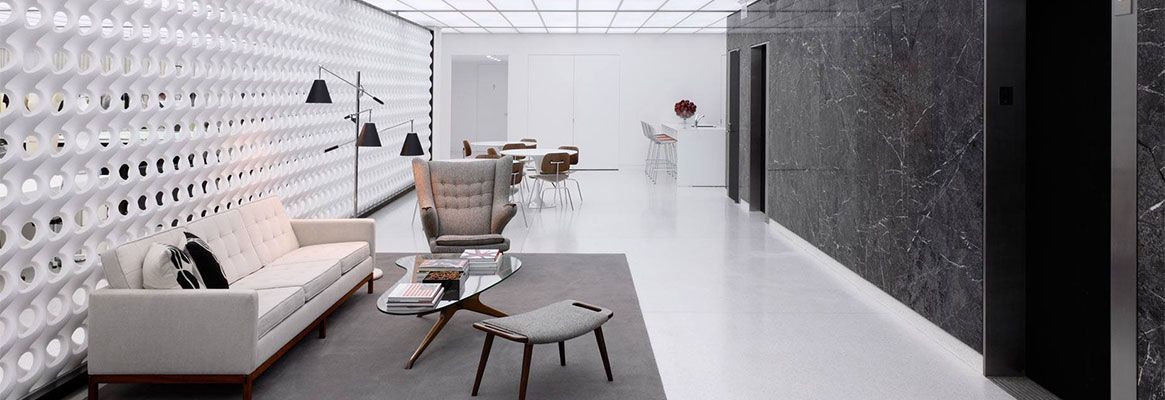
With the need for designs to be more flexible, pressure of reducing material cost, and the requirement of aesthetically and eco-friendly materials have made textile an ideal option for construction. Fabrics made with aramid carbon and glass fibres combined with the strength of composites give civil engineers and architects a new range of material to work with and in contrast to the less weight it bears in building a structure.
Textiles in architecture have been used earlier to build tents by the nomads in different cultures around the world. Skin, barks, woven mats, canvas, and woolen fabrics were used by people to build shelters for themselves and the animals. Tipis, Yurts, and the black tent, which was made by Bedouins, are few examples that show that textiles with high tensile strength were being used to build structures even in the pre-historic era.
A Colosseum in Rome built using light weight textiles is one of the first appearances of the use of textiles in history. Royal courts made for the purpose of entertainment were built with a weather proof canvas inside and a decorated fabric outside. The textile tents by the 18th and 19th century had been used for military purposes and in building big circuses.
The invention of new fibres, new polymers, adhesives, and lamination coats had brought in new possibilities for textile in creating architecture in the 20th century. This in turn has led to building huge spaces with complex patterns and improved functional fabrics. Development of Poly vinyl, Polytetraflouroethylene, and Polyvinylidene fluoride textiles have enhanced the durability and longevity of textile fabrics. Structures made from such fabric membranes can last for 15 to 30 years. Besides just providing strength, textile fabrics provide features such as UV protection, solar performance, weather protection, light translucency, self-cleaning, filtering, and flame-resistant properties.
More fabrics are being used in buildings to provide solar protection. By adding textiles in architecture of a building not only can the UV rays be kept at bay but also a shade can be provided. Energy efficiency has also increased the use of textiles. From production and fabrication to the installation of membrane systems a lot of energy can be saved than using conventional concrete structures. Textile also provide a way of letting natural light being harnessed in a building by using translucent materials, thereby saving electricity and being environment friendly.The following are a few properties that textiles require in order to be used in constructing a structure:
1. High tensile strength and high tear strength are the most primary requirements. Ability to withstand snow, rain, strong wind, and in case of bridges or walk ways weight are necessary for creating a structure with textiles.
2. Having high resistance to mechanical wear and low maintenance fabrics like EFTE and glass fibres, which have good buckling properties need to be used.
3. The exterior of fabrics need to be strong enough to hold UV radiations and mechanical wear and tear for a long period of time. Performing in the most extreme temperatures and climates is one quality that needs to be considered while using textiles for architecture.
4. Another important aspect is the properties of lighting that a fabric possesses. Light absorption, reflection, and transmission are few factors that need to be assessed to maintain illumination and energy related concerns in a structure. For example PFTE fibre glass coated fabrics reflect 70 percent of light while a transparent EFTE may reach 95 percent of transmission rate.
5. The colors and prints used on such textiles also affect the lighting and thermal properties of spaces they are used in. Hence a proper combination of everything needs to be considered.
6. Acoustic insulation and thermal balancing are extremely vital features while selecting a fabric for building textile architecture. Multi-layered structures that have air cavities between them for circulation are one way of monitoring the thermal energy in a structure.
7. Cleaning and maintenance of fabrics is lastly also necessary. Hence fabrics with anti-soiling and self-cleaning properties are preferable in such constructions.
Many smart and intelligent textiles have been incorporated in making textiles in architecture more interesting. Chromic materials that change colours like photochromic (in reaction to the intensity of light), thermochromic (in reaction to the intensity of temperature), and piezochromic (in reaction to pressure) are being used. Besides these, phase changing materials (PCM), conductive optical fibres, and even shape memory materials (SMM) are being developed to increase functionality and aesthetics of textiles used in structures.
References:
1. Dspace.cc.tut.fi
2. Architecturaltextiles.com.au
3. Architonic.com
Image Courtesy:
1. Architonic.com


